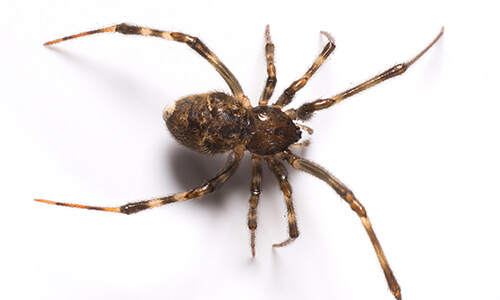
Pest Control: Powerful Tactics to Shield Your Residence and Venture
Overview to Pest Control
Pest Control relates to the administration or handling of species considered as pests – creatures that harmfully impact human pursuits or surroundings. In New Jersey, where assorted biological communities connect with metropolitan and metropolitan growth, productive Pest Control is not solely a extravagance but a necessity for sustaining clean home and occupational spaces. From the extensive districts of Monmouth County to the integrated residential areas of Matawan, pest incursions can disturb anyone, no matter of how immaculate or properly cared for their dwelling may be.
The criticality of adopting productive Pest Control plans could not be emphasized enough. For homeowners, pests can harm architectural soundness, contaminate food sources, and introduce considerable health perils. Commercial entities face these same challenges, with the additional anxiety of status injury and probable deprivation of shoppers if infestations are discovered. Frequent pests in New Jersey include rodents like rats and mice, diverse bugs such as ants, cockroaches, and bed bugs, and the exceptionally damaging termites that can silently threaten a building's structural basis.
The Purpose Pest Control Is Significant
Health Hazards of Pest Control Methods
Numerous pests harbor and convey sicknesses that can affect humans and pets. Rodents are identified transporters of hantavirus, salmonella, and leptospirosis. Cockroaches can cause asthma bouts and sensitized sensitivities, mainly in youngsters. Ticks, plentiful in New Jersey's sylvan locations, are famous for distributing Lyme disease, while mosquitoes can spread West Nile virus and Eastern Equine Encephalitis. Expert Pest Control helps alleviate these health risks by removing the source of these prospective disease transmitters.
Home Harm in Pest Control
The foundational injury induced by pests can be vast and dear. Termites exclusively bring about over $5 billion in structure destruction per year throughout the United States, with New Jersey homes being specifically open due to the state's environmental conditions. Vermin can gnaw through electronic wiring, causing fire risks, while their continuous chewing can injure insulation, pipes, and wooden architectural elements. Even apparently inoffensive ants can undermine timber structures if abandoned unmanaged, particularly carpenter ants which are prevalent in Monmouth County.
Economic Ramifications of Pest Control Services
Avoiding pest incursions can generate major monetary repercussions. What may initiate as a minor problem requiring basic procedure can fast amplify into a serious complication calling for wide-ranging restoration. For businesses, especially those in the food trade or hospitality fields, pest invasions can produce flawed health examinations, interim stoppages, and permanent injury to reputation and customer faith. Putting money in routine Pest Control is not just about prompt contentment—it's a ongoing economic protection.
Pest Control: Prevalent Family and Business Pests
Rodents (Rats and Mice)
When it pertains to recognizing rodent infestations in your New Jersey home, vigilance is critical. You may detect dung near food stocks, in containers, or underneath sinks. Bite marks on food enclosures, wood, and power cables are evident evidence of their occupancy. At after dark, you may perceive scratching noises in partitions, ceilings, or underneath floors as these evening critters turn active. If you locate habitats constructed from shredded paper, fabric, or dehydrated plant material, that's a clear proof rodents have set up themselves comfortable. Fatty rub marks adjacent to baseboards and walls become visible as rodents adopt the identical paths often, while your pets may exhibit peculiar behavior such as yelping or digging at places beneath equipment or furniture where rodents seek refuge.
Rats and mice in New Jersey homes and companies form various threats exceeding only bother. They can corrupt food and cooking areas with germs present in their liquid waste and dung. Their continuous compulsion to bite can hurt items, remarkably wiring, which generates fire threats. In Matawan and encircling locations, the Norway rat and house mouse are remarkably difficult, thriving in both city and residential environments. Productive Pest Control steps are essential to handle these devastating invaders.
Insects (Ants, Cockroaches, Bed Bugs)
Insect infestations manifest themselves in different modes relative to the species. Ant complications grow evident when you observe obvious ant lines pointing to food sources, or when you find little accumulations of ground or wood pieces formed by carpenter ants. Cockroach outbreaks often disclose themselves through dark waste resembling coffee grounds or black pepper, a particular fusty smell that suffuses contaminated regions, and the appearance of egg casings in hidden corners. Bed bug issues show up as rust-colored spots on mattresses and furnishings, shed skins near relaxing locations, tiny blood stains on sheets, and scratchy red elevations on skin normally arranged in a sequence or cluster.
Insects represent the most diverse group of pests in New Jersey. Cockroaches can cause asthma and intolerances while dispersing multiple germs. Bed bugs, while not disease transmitters, create appreciable discomfort, sleep interference, and sentimental misery. Certain ant species, like carpenter ants regular in Monmouth County's wooded regions, can inflict skeletal harm comparable to termites through time. Expert Pest Control firms can recognize distinct insect kinds and execute targeted management approaches that address the special practices and weaknesses of each pest.
Termites
Recognizing termite activity rapidly calls for being aware of the slight indicators of their existence. You could perceive cast-off wings near apertures and entries after swarmers have spotted a mate and established a new community. Mud tubes on external barriers, timber beams, or in crawl voids serve as guarded highways for these ruinous pests. Wood that rings unfilled when hit suggests termites have been dining from within. Access points and windows that unexpectedly attach may suggest contorting from termite deterioration, while broken or inflating paint similar to water harm often disguises termite action beneath. Spotting frass—termite excrement reminiscent of little wood-colored granules—furnishes another proof of their unwelcome occurrence.
Termites present perhaps the most noteworthy constructional hazard amidst all standard pests. In New Jersey, the Eastern subterranean termite is pervasive and notably damaging. These creatures can linger concealed for eras while causing significant devastation to timber structural constituents. Homes in Matawan and throughout Monmouth County, notably older structures, are prone to termite infestations. The average charge of term pest control.
Pest Control Safety Considerations
Proper Use of Pesticides and Chemicals in Pest Control
While pesticides turn required in your pest control plan, emphasizing security requires consideration to various vital methods that shield individuals, animals, and the environment. Consistently examine and follow product guidelines accurately, as these binding guidelines show thorough evaluation and governmental evaluation created to decrease risks. Use the smallest effective amount of chemical to reach elimination while reducing unneeded substance incorporation into your living space. Employ substances only in zones designated on the product instructions, eliminating unauthorized treatments that may create unexpected risks or diminish effectiveness. Don correct safeguarding equipment as specified by product companies to prevent personal contact during use. Maintain substances in their original packages with labels undamaged to retain entry to safety information and prevent confusion. Keep detailed notes of all applications, writing down chemicals employed, concentration levels, spots serviced, and times of treatment for future consultation. Enable proper drying and air circulation before returning to treated areas, particularly crucial in New Jersey's weather where moisture can alter curing periods. Evaluate reduced-risk alternatives when successful, as progress in pest elimination have produced many safer choices that retain efficacy while lowering possible dangers.
Shielding Animals and Kids During Pest Control Services
Specific measures become crucial when performing pest control procedures in homes with sensitive household members. Move pets during service and until areas are set to eliminate immediate contact with wet chemicals or vapors that could create adverse responses. Cover or take away pet food, drinking dishes, and items before service to prevent exposure that could cause accidental consumption. Put children's items apart from application areas, especially things that small children might place in their mouths. Disinfect and sterilize food making areas after application, even if they weren't directly serviced, to remove any residues that might have accumulated during service. Ensure children apart from applied locations for the suggested period, prolonging this duration for mobile toddlers who have increased immediate interaction with floors and lower spaces. Examine non-toxic to pets and kid-friendly Capitol Exterminating System pest control services NJ chemical options when accessible, as many current chemicals target particular pest physiology while reducing animal poison. Most importantly, advise professional applicators about the existence of companions, children, or expecting family members before they create application approaches, permitting them to modify approaches and product selections accordingly.
Official Guidelines and Adherence with Pest Control
Pest control in New Jersey operates within a governmental structure intended to protect community wellness and the environment while guaranteeing effective pest management. The New Jersey Department of Environmental Protection supervises pest elimination activities, demanding professional pest control firms to achieve certain specifications. Companies must utilize authorized applicators who have passed state examinations demonstrating proficiency in pest biology, application procedures, and security protocols. These companies must maintain adequate protection coverage safeguarding both their technicians and their clients from possible losses or harm linked to pest control procedures. Rigid requirements govern pesticide housing, shipping, and discarding to prevent environmental contamination and improper availability. Professionals must provide Safety Data Sheets upon demand, detailing the properties and hazards of products utilized in applications. Notification requirements relate for specific uses, specifically in multiple-unit structures or business spaces with several occupants. Complete service records must be preserved, creating an audit trail of pest control activities. Additionally, only substances approved for application in New Jersey may be lawfully applied, making certain that local natural conditions and ecosystems have been evaluated in the approval system. For commercial facilities in Matawan and throughout Monmouth County, extra regulations may pertain depending on the field, especially for dining service, health, and childcare buildings where pest management meets with additional general wellness considerations.
Green Pest Control Options
Combined Pest Control (IPM) System
Integrated Pest Management represents the highest level in today's pest control, focusing on sustained deterrence through a mix of techniques that decrease ecological influence while maximizing efficiency. The IPM system initiates with thorough inspection and tracking to pinpoint pest infestation accurately, establishing starting details about types present and population sizes. This produces accurate recognition of pest types, ensuring treatment work target individual patterns and vulnerabilities rather than using general procedures. Practitioners establish boundary amounts that necessitate treatment, recognizing that the mere detection of a small number of pests does not necessarily require treatment if amounts persist beneath harmful thresholds. When control turns necessary, IPM employs numerous treatment techniques in unity, commonly initiating with least-toxic techniques and progressing only when essential. Throughout the procedure, specialists review effectiveness and modify methods as needed, forming a adaptable strategy responsive to evolving situations. Most vitally, IPM stresses deterrence over treatment, tackling building and environmental aspects that encourage pest communities rather than just destroying existing creatures. Many pest control firms in New Jersey supply IPM-based programs that align with the region's drive toward safer pest treatment practices, specifically in delicate settings like schools, health institutions, and meal preparation operations.
Natural Treatment Methods
Productive pest control often includes non-chemical methods that can fix or lower pest troubles without bringing substances into the surroundings. Physical barriers such as filters, door sweeps, and filling eliminate pest invasion entirely, handling the issue at its origin. Physical systems like catches and prevention equipment eliminate present insects while avoiding additional entries. Living controls featuring beneficial bugs and microbes add natural enemies that aim at particular creatures while leaving helpful organisms unharmed. Management approaches alter the surroundings to deter creatures, such as changing moisture timing to reduce dampness that lures some pests. Environment change lowers refuge and nutrition supplies, making properties minimally welcoming to undesired occupants. For particular insects like bedbugs, heat processes supply exceptionally productive treatment without chemical remains by boosting thermal levels past the heat killing level for all developmental phases of the specific pest. In the same way, freezing procedures for warehoused goods pests like food bugs or food storage moths can remove invasions in nutritional products without toxic residue. These approaches establish notably valuable in New Jersey's different environments, where closeness to liquid systems, safeguarded wild zones, and concentrated population areas produces multiple scenarios where pesticide limitation becomes desirable or required.
Environmentally-Friendly Pest Control Control Options
The pest control sector keeps to progress toward greater green methods that keep success while minimizing natural effect. Plant-based pesticides sourced from natural substances like chrysanthemum extract, neem, and natural essences offer precise management with limited longevity in the ecosystem. Microbial agents including microbes, organisms, or viruses that focus on particular pest organisms provide exactness that standard broad-spectrum pesticides cannot equal. Maturation controllers that stop pest mating by interrupting with developmental processes offer sustained community limitation without direct dangerous effects on mature insects. Pheromone traps that monitor or interrupt pest pairing help establish when treatment turns necessary and can avoid mating in some species. The industry increasingly adopts reduced-risk substances with minimal natural effect, shifting away from traditional chemistries with greater effects on secondary species. Accurate application systems that minimize overall pesticide usage apply applications precisely where necessary rather than broadcasting chemicals across extensive areas. Sustainable qualification schemes for pest control firms establish criteria for naturally better care and give users with obvious labeling of providers devoted to sustainable practices. In naturally critical regions of New Jersey, featuring areas of Monmouth County with closeness to liquid systems, these green strategies are notably beneficial for preserving both personal wellbeing and environmental systems while still offering productive pest treatment.
Finding a Local Pest Control Service Provider in New Jersey
Capitol Exterminating System
272 NJ-34
Matawan, NJ 07747
(732) 441-1900
Frequently Posed Queries (FAQs) about Pest Control
How often should pest control be done?
For numerous New Jersey homes, seasonal pest control provides proper security against seasonal pest pressures. This schedule coordinates with the local distinct periods, each generating distinct pest problems that demand proactive attention. Spring procedures typically tackle developing ant populations and hibernating pests becoming mobile. Summer applications emphasize on mosquitoes, parasites, and various airborne insects that flourish in elevated climate. Fall services set up houses for small mammals and sheltering insects seeking shelter as climate decrease. Winter treatments keep defense against indoor pests while handling mouse and rat activity at its highest. Though, this schedule may grow for homes with individual threat elements or continuing problems that need increased thorough handling. Properties beside natural zones in Monmouth County may profit from further parasite and flying insect treatments during high times. Structures with record of particular pest troubles regularly demand targeted subsequent treatments over the regular quarterly routine. Commercial properties, notably dining industry businesses in locations like Matawan, commonly require every month service to keep adherence with wellness requirements and avoid issues that could harm image and trade functions.
Is qualified pest control harmless for pets?
When executed appropriately, specialist pest control can be safe for pets through careful substance choosing and usage methods that decrease interaction. Today's specific employment procedures and lower-risk substances have significantly improved protection features compared to traditional pest treatment methods. Recent services regularly apply products particularly designed to have minimal toxicity to animals while continuing successful against designated organisms with different body systems. Qualified professionals get instruction in employment procedures that put chemicals in locations companions are unable to access, such as wall spaces, splits and gaps, or beneath appliances. However, companions should be moved during application and until all applications have dried entirely, following individual pause intervals advised by the material company and professional. Fish systems should be covered and air equipment disabled while performing service to eliminate exposure from floating particles. Pet possessions featuring resting places, toys, and nutrition equipment should be taken away or protected during service. Review any questions with your pest control company, who can suggest appropriate delay periods based on the certain services used and adapt approaches for residences with particularly sensitive pets like avians or cold-blooded animals that may have separate physiological vulnerabilities than felines and dogs.
What are the signs of a major pest problem?
Besides visible creatures themselves, various alert signals reveal potentially serious issues demanding urgent pest control action. Strange smells regularly appear with large infestations – damp, fatty scents may indicate small mammals, while sweet, distinctive scents at times occur with German insect groups. Unexplained building destruction like falling surfaces, bubbling coating, or breaking material may show termite damage or wood-boring ant infestations ruining support elements. Strange noises within structures or roof areas, particularly at night, commonly indicate small mammal movement as these nocturnal creatures get energetic in secret locations. Abundant dust resembling small wood particles near lumber parts may actually be waste or feces from timber-damaging organisms. Some households face puzzling physical concerns like lung issues or discomfort that improve when distant from home, probably indicating bug infestations affecting inside environmental purity. In New Jersey properties, special care should be devoted to cellar and under-floor spaces where dampness troubles can sustain pest groups, particularly in established residences throughout Monmouth County where base splits and crumbling binding offer various invasion points. Encountering several lifeless insects of the matching variety suggests a more extensive population close, while grease stains beside baseboards reveal established mouse and rat trails with frequent activity.
Can I prevent organisms without pest control substances?
Certainly, numerous creatures can be avoided through proper hygiene, exclusion, and habitat adjustment without employing pesticide applications. The foundation of non-toxic pest control starts with detailed prevention efforts – blocking openings, openings, and access points that let organisms to invade properties in the first location. Putting in entry barriers, restoring damaged filters, and filling infrastructure holes removes frequent entry points. Removing sustenance supplies through appropriate nutrition containment in sealed vessels, prompt clearing of accidents and fragments, and frequent trash disposal markedly reduces attractants that bring insects into homes. Decreasing water by mending leaking plumbing, improving ventilation in moist locations, and tackling runoff concerns removes the fluid sources numerous creatures need. Sustaining a space space surrounding structures by reducing vegetation, removing leaf waste, and keeping fuel lifted and apart from structures minimizes shelter zones and entry points. Employing tangible barriers like metal mesh or steel material to stop wider openings delivers permanent blocking for mice and rodents. Routine care that involves suction cleaning fissures and gaps takes away bug eggs and feeding matter that sustain pest development. For existing issues, nevertheless, some form of management agent may be necessary to solve confirmed troubles, though numerous minimal-impact choices are obtainable containing natural silica powder, boron powder, and pest-killing detergents that deliver decreased threat against typical chemicals.
What should I expect throughout professional pest control application?
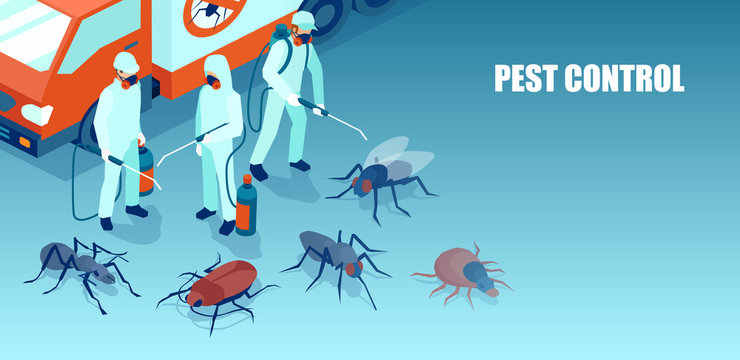
A expert pest control treatment usually commences with a comprehensive evaluation to determine pest kinds, penetration points, and encouraging situations relating to the problem. The expert should spend care inspecting both internal and external zones, paying focused consideration to kitchens, bathrooms, lower levels, and border bases where pest activity often accumulates. Upon completing this evaluation, the professional should clarify their findings in completeness and suggest a treatment strategy adapted to your particular circumstances, reviewing both the specific insects and the techniques suggested for controlling them. You may receive preparation directions before procedure, probably including repositioning objects, emptying certain spaces, or containing animals. During the application, the expert will employ proper chemicals to specific areas according to the pest varieties identified, emphasizing on fissures, openings, and pest harborage zones rather than spreading procedures around whole areas. They may set up monitoring devices like creature devices or food devices that assist track improvement and offer persistent defense. After finishing procedures, a professional should describe any following-application guidelines such as air circulation standards, access periods, or locations to sanitize. Before exiting, they should arrange subsequent appointments if needed for notably challenging organisms like bed bugs or German insects that generally require various applications for full removal. During this method, experts should welcome inquiries and give clear details about the substances and procedures applied, displaying their instruction and dedication to both efficiency and wellness.
Successful pest control is an vital aspect of preserving healthy, harmless living and professional areas in New Jersey. From the damp summers that create mosquitoes and parasites to the chilly seasons when small mammals look for protection within, pest pressures persist a ongoing worry for residents and enterprises in Monmouth County and Matawan. By understanding common organisms, implementing preventive procedures, and knowing when to pursue specialist help, structure operators can defend their investments and the health of tenants.
Using a anticipatory strategy to pest control is always greater productive and economical than handling to developed infestations. Consistent assessments, suitable care, and dealing with little troubles before they grow can avoid the considerable costs and problems connected with major pest troubles. When expert help grows necessary, choosing a respected, authorized pest control specialist who uses combined pest control principles delivers productive solutions with minimal ecological footprint.